

Introduction
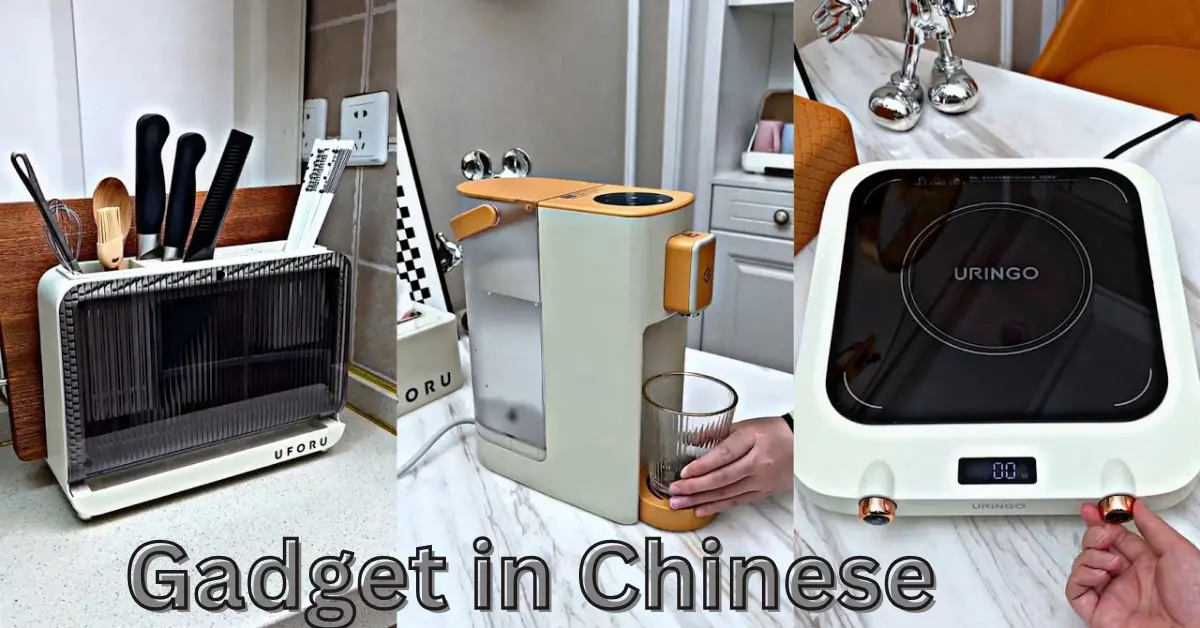
Technology has become an essential part of modern life. From smartphones to smartwatches and from Bluetooth earbuds to AI home assistants, gadgets make our daily routines easier, faster, and more productive. But have you ever wondered how to say “gadget” in Chinese and how Chinese speakers use this word in everyday conversations?
As the Chinese language grows in global influence, especially due to technology giants like Xiaomi, Huawei, Lenovo, and DJI, many students, travelers, and business professionals want to learn basic Chinese words related to modern tech. One of the most important among these is the word “gadget.”
What Is the Chinese Word for Gadget?
The most common Chinese translation for the word gadget is:
小工具 (xiǎo gōng jù)
- Meaning: small tool, small device, or gadget.
This is the word you will hear most often in China when people talk about small mechanical or electronic tools.
Other meanings depending on context
Sometimes people also use:
装置 (zhuāng zhì)
- Meaning: device, equipment
- Used for technical, engineering, or mechanical devices.
设备 (shè bèi)
- Meaning: equipment, machinery
- Used for bigger tech gadgets or professional tools.
电子产品 (diàn zǐ chǎn pǐn)
- Meaning: electronic products
- Used for general gadgets like phones, tablets, or smart devices.
So the exact word depends on the situation.
But the closest daily-use translation for “gadget” = 小工具 (xiǎo gōng jù).
How to Pronounce Gadget in Chinese
Here is a simple pronunciation guide for beginners:
- 小 (xiǎo) → sounds like “shyao”
- 工 (gōng) → sounds like “gong”
- 具 (jù) → sounds like “joo”
Examples of Gadget Used in Chinese Sentences
Here are some easy example sentences you can practice:
我喜欢这个小工具。
- Wǒ xǐhuān zhège xiǎo gōng jù.
- I like this gadget.
你带了哪些小工具?
- Nǐ dàile nǎxiē xiǎo gōng jù?
- Which gadgets did you bring?
这是一个非常有用的小工具。
- Zhè shì yī gè fēicháng yǒuyòng de xiǎo gōng jù.
- This is a very useful gadget.
这个电子产品很流行。
- Zhège diànzǐ chǎnpǐn hěn liúxíng.
- This electronic gadget is very popular.
我需要一些新的设备。
- Wǒ xūyào yīxiē xīn de shèbèi.
- I need some new gadgets/equipment.
Why Learning Gadget in Chinese Is Useful
Learning the word “gadget” in Chinese can be helpful for:
a) Traveling in China
- When you visit markets or electronics shops, you can easily talk about tools, devices, and accessories.

b) Online shopping
- Platforms like Taobao, JD, and Alibaba use Chinese words for gadgets.
c) Business communication
- If you deal with suppliers or manufacturers in China, knowing Chinese tech vocabulary helps build trust.
d) Language improvement
- Modern tech vocabulary boosts your confidence in speaking Chinese.
e) Social media and conversations
- Chinese friends often use gadgets in daily discussions, and you will understand them better.
Popular Gadgets in China
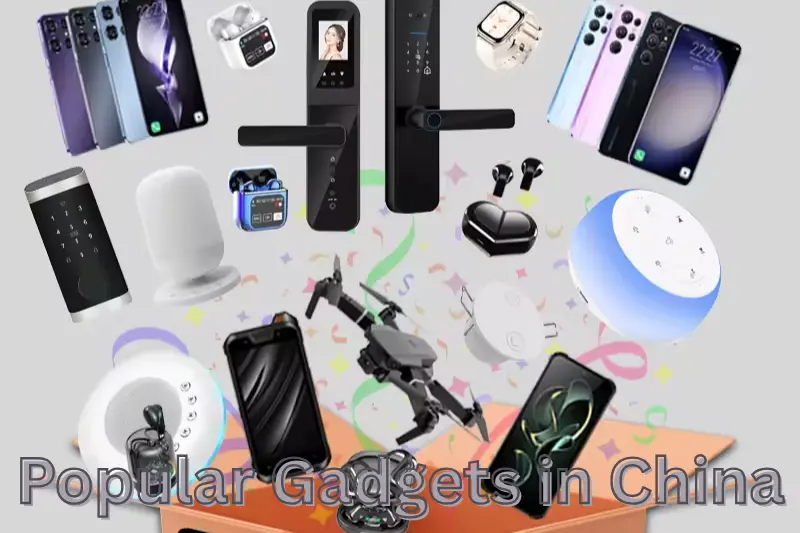
China is one of the world’s largest producers and consumers of gadgets. Here are some famous categories and brands:
Smartphones
- Huawei
- Xiaomi
- Oppo
- Vivo
Smart Home Gadgets
- Xiaomi Smart Home Kit
- Robotic vacuum cleaners (e.g., Roborock)
- Smart lighting systems
Wearable Technology
- Huawei Watch
- Xiaomi Mi Band
- Amazfit Watches
Drones and Photography Gadgets
- DJI drones
- Insta360 cameras
Audio Gadgets
- Wireless earbuds
- Bluetooth speakers
- Noise-cancelling headphones
Computer Gadgets
- Lenovo laptops
- ThinkPad accessories
- USB tools and mini devices
- China’s rapid growth in technology has made these gadgets popular worldwide.
How Gadgets Influence Chinese Lifestyle
China is one of the fastest adopters of technology. Here’s how gadgets impact daily life:
Mobile Payment
- Apps like WeChat Pay and Alipay are used everywhere — from taxis to street food stalls.
Smart Homes
- Millions of Chinese users rely on smart lights, smart locks, and voice assistants.
Education Gadgets
- Electronic dictionaries, tablets, and AI learning devices are extremely popular among students.
Health and Fitness Gadgets
Fitness bands and health monitoring devices help people track steps, heart rate, and sleep. Entertainment Gadgets
- VR headsets, gaming consoles, streaming devices, and Bluetooth speakers are very common in Chinese households.
Tips for Learning Chinese Tech Vocabulary
Here are easy tips to remember tech words:
- Practice reading simple sentences daily
- Watch short Chinese videos about gadgets
- Follow Chinese tech review channels
- Use flashcards for new words
- Speak the words loudly to improve pronunciation
- Compare English and Chinese words
Step-by-step guide — How to learn “gadget” in Chinese (and use it confidently)
Nice — let’s turn the idea into a bite-size learning plan you can follow every day. Below are clear, practical steps (with examples and tiny drills) so you’ll read, say, write, and use the Chinese words for gadget naturally.
Step 1 — Set a clear, tiny goal
Decide one specific outcome. Examples:
- “I can say and read 小工具 (xiǎo gōng jù) and use it in 5 simple sentences.”
- “I can recognize 10 gadget-related Chinese words and order one on a Chinese shopping site.”
- Keep the goal simple so you actually practice.
Step 2 — Learn the base word + pronunciation
Start with the core word:
- 小工具 — xiǎo gōng jù (gadget / small tool)
- Break it down:
- 小 (xiǎo) — third tone (low then rising) — “small”
- 工 (gōng) — first tone (high steady) — “work/tool” part
- 具 (jù) — fourth tone (falling) — “tool/implement”
- Drill: say the three characters slowly, then faster, then in one breath: xiǎo gōng jù.
Step 3 — Learn 6–8 related gadget words (high utility)
Memorize common gadget nouns you’ll actually use:
- 手机 (shǒu jī) — smartphone
- 笔记本电脑 (bǐ jì běn diàn nǎo) — laptop
- 耳机 (ěr jī) — headphones/earbuds
- 无人机 (wú rén jī) — drone
- 电子产品 (diàn zǐ chǎn pǐn) — electronic product
- 设备 (shè bèi) — equipment/device
- Make flashcards (character — pinyin — English). Say each aloud.
Step 4 — Make 10 short sentences (speaking drill)
Create simple, repeatable sentences using 小工具 or the related words. Say them aloud and record yourself if possible.
Examples:
- 我有一个小工具。
- Wǒ yǒu yí ge xiǎo gōng jù. — I have a gadget.
- 这个手机很好。
- Zhè ge shǒu jī hěn hǎo. — This phone is very good.
- 你喜欢哪些电子产品?
- Nǐ xǐhuān nǎxiē diànzǐ chǎnpǐn? — Which electronic products do you like?
- Drill: repeat each sentence 5 times, focusing on tones.
Step 5 — Tone practice (must do)
- Tones change meaning. Practice minimal pairs and tones for these characters (e.g., xiǎo vs xiāo, gōng vs gòng if you can). Use a mirror or record and compare.
Quick exercise: pick one sentence and change one tone — notice how it sounds wrong. Fix it.
Step 6 — Listen and imitate (passive → active learning)
Listen to native speakers say these words. Options:
- Short product videos or product reviews in Chinese.
- Voice examples in dictionaries/apps.
- How to practice: listen once for meaning, then repeat sentence-by-sentence (shadowing). Focus on rhythm and tone.
Step 7 — Read short product descriptions (reading practice)
- Open a product listing (phone, earbuds) in Chinese and find words you learned: 手机, 耳机, 电子产品, 小工具.
- Activity: highlight 5 new words from the page and add to your flashcards.
Step 8 — Write and type the words (writing practice)
- Practice writing the characters by hand a few times to remember shapes — especially 小, 工, 具.
- Also learn how to type them on pinyin input: type “xiao gong ju” → 小工具. Typing builds practical skill for messaging or shopping.
Step 9 — Real-world mini task (use it!)
Do one short real task that forces you to use the words:
- Post a message in Chinese: “我有一个新的小工具,大家想看开箱吗?”
- Search a Chinese marketplace for “耳机” and note product specs in Chinese.
- Ask a friend: “你喜欢什么电子产品?” and use their reply to form another sentence.
- Real tasks cement learning.
Step 10 — Make a tiny project (apply + create)
Create something that uses the vocabulary:
- A 1-minute voice note in Chinese describing your favorite gadget.
- A 6-sentence blog post: title + 5 short lines using 小工具 and 3 other gadget words.
- This turns passive knowledge into usable skill.
Step 11 — Review and expand vocabulary weekly
- Every time you practice, add 2 new gadget words (e.g., 充电器 charger — 充电器 chōng diàn qì). Review old flashcards and delete what’s mastered.
Use spaced repetition — review harder cards more often.
Step 12 — Useful tips & common mistakes to avoid
- Don’t skip tones — a wrong tone can confuse meaning.
- Practice short, focused sessions frequently. Small wins beat rare long sessions.
- When reading product pages, focus on features (电池 battery, 续航 battery life, 价格 price).
- Speak from day one — even imperfect speech helps muscle memory.
- Use simple templates (I have…, I want…, Do you have…?) and swap nouns.
FAQs About “Gadget in Chinese”
1. What is the most common word for gadget in Chinese?
The most common word is 小工具 (xiǎo gōng jù).
2. Does Chinese have a direct word for gadget?
There is no exact single-word translation, but 小工具 is used widely and naturally.
3. How do you say electronic gadget in Chinese?
You can say 电子产品 (diànzǐ chǎnpǐn).
4. Is Chinese vocabulary for gadgets difficult?
No, it’s simple once you know basic characters and pronunciation.
5. How do you ask someone “Do you like gadgets?” in Chinese?
You can say:
你喜欢小工具吗?
Nǐ xǐhuān xiǎo gōng jù ma?
6. What is the word for tech in Chinese?
Technology is written as 科技 (kējì).
7. Can I use gadgets related words in business communication?
Yes, Chinese suppliers often use words like 设备 (equipment) and 电子产品 (electronic goods).
Conclusion
Learning how to say “gadget” in Chinese is a simple but important step for anyone interested in technology, online shopping, traveling, or doing business in China. The most commonly used translation is 小工具 (xiǎo gōng jù), which means a small device or useful tool. You can also use words like 电子产品 for electronic gadgets and 设备 for equipment.
China’s technology industry is growing at an amazing speed, and learning these words will help you communicate better, understand modern tech culture, and confidently talk about gadgets with Chinese speakers.
