

Introduction
In recent years, tech layoffs have become an increasingly common headline across the technology sector. From Silicon Valley giants to mid-sized startups, companies are cutting jobs at an unprecedented pace, leaving employees and industry watchers concerned about the future of tech employment. According to recent reports, thousands of employees in the U.S. tech sector faced layoffs in the first half of 2025 alone, highlighting a significant shift in the tech industry layoffs landscape.
These job cuts are not limited to one segment; they span software development, IT services, and even emerging tech startups, affecting talent pools globally. The rising trend of IT layoffs underscores the need to understand the underlying causes, the industries most affected, and strategies that employees can adopt to navigate this challenging environment. This article dives into these aspects, offering a comprehensive guide for both professionals and employers in the ever-evolving tech ecosystem.
What Are Tech Layoffs?
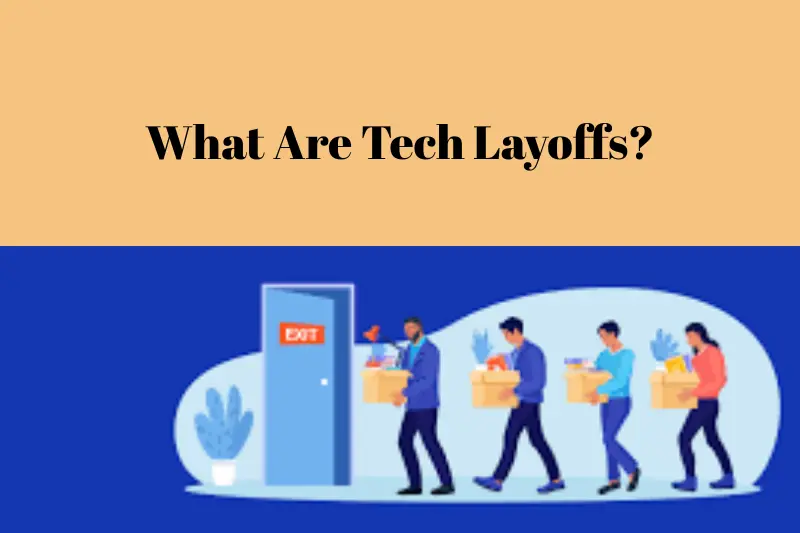
Tech layoffs refer to the reduction of workforce within technology companies, often due to economic pressures, company restructuring, or shifts in business strategy. Unlike temporary furloughs, layoffs are permanent terminations that can affect employees at all levels, from software engineers to IT support staff.
Over the past decade, the tech industry has experienced periodic waves of layoffs, but the frequency and scale have increased in recent years. Factors such as overexpansion during boom periods, the integration of automation and AI, and global market fluctuations have contributed to more frequent tech industry layoffs. Even well-established companies are not immune, as demonstrated by significant IT layoffs at both large enterprises and high-growth startups.
Understanding what triggers these layoffs is crucial for both employees and job seekers. By recognizing patterns and industry trends, professionals can better prepare for potential disruptions and make informed career decisions in an ever-changing technology landscape.
May be you like it:
Tech Pouch – The Ultimate Guide to Organizing and Protecting Your Gadgets
Tech 10s – Top Gadgets Apps and Emerging Tech Teens Must Know in 2025
Tech People – Roles Skills Careers And Future Trends in Technology
Tech Layoffs 2025 – Causes Trends and How to Navigate IT Job Cuts
Tech EU – Europe’s Leading Hub for Innovation AI FinTech And Green Technology
Why Tech Layoffs Are Happening in 2025
The wave of tech layoffs in 2025 is driven by a combination of economic, technological, and industry-specific factors. One of the primary reasons is the global economic slowdown, which has forced companies to cut costs and streamline operations. Many tech giants and startups alike are responding to declining revenues and market uncertainties by reducing their workforce.
Another major factor is the overexpansion of tech companies during previous boom years. Rapid hiring to meet high demand has left some organizations with more employees than they can sustain, resulting in significant IT layoffs as companies recalibrate their workforce.
Technological advancements, particularly in AI and automation, are also reshaping the job landscape. Roles that once required human intervention are increasingly automated, reducing the need for certain positions. This trend has contributed to tech industry layoffs, particularly in software development, IT support, and administrative roles.
Startups are particularly vulnerable. With venture capital funding slowing down, many smaller tech firms face financial strain, leading to abrupt tech job cuts. In addition, the ongoing tech hiring freeze in some sectors has prevented companies from quickly replacing key personnel, adding pressure to reduce headcount.
Overall, the combination of economic pressures, overhiring, technological disruption, and funding challenges has made 2025 a particularly challenging year for tech employment, signaling a significant shift in technology layoffs trends.
Companies Most Affected by Tech Layoffs
In 2025, a wide range of tech companies — from global giants to fast-growing startups — have announced significant rounds of tech layoffs, showing how widespread IT layoffs have become across the industry.
Big Tech Leaders
Microsoft: Cut nearly 4% of its workforce, affecting around 9,100 roles, as part of a broader strategy to streamline operations amid heavy AI investments.
- Meta (Facebook): Reduced about 3,600 jobs, particularly in its Reality Labs (VR) division.
- Google / Alphabet: Reduced headcount in divisions including Pixel hardware, Android, and Chrome.
- Intel: Planning to lay off 15–20% of its workforce in its foundry division during a major restructuring.
Enterprise & Cloud / Productivity Players
- Salesforce: Eliminated over 1,000 roles despite ongoing AI product development.
- Workday: Cut around 1,750 positions, roughly 8.5% of its staff, as it pivots toward AI-focused growth.
- Oracle: Laid off staff across multiple locations as part of broader cost-cutting.
Startups and Smaller Tech Firms
- xAI: Cut about a third of its data annotation team (~500 jobs) to focus on specialized AI roles.
- GupShup: Laid off more than 100 employees to refocus for future growth.
- Yotpo: Reduced around 200 employees (about 34% of its workforce) to restructure its business.
- Peloton: Cut approximately 6% of its staff, continuing a multi-year downsizing trend.
Other Noteworthy Cases
- IBM: Laid off about 8,000 workers, many from HR, as part of its shift toward automation and AI.
- Accenture: Reduced more than 11,000 roles in Europe to align with AI-driven processes.
- Panasonic: Cut around 10,000 jobs globally as part of its restructuring and AI-focused strategy.
Why This Matters for Tech Industry Layoffs
- These cuts span hardware, software, and services, showing that the wave of layoffs affects nearly every segment of the tech ecosystem.
- Many layoffs are strategic, not just cost-cutting, as companies shift toward AI, cloud, and core growth areas.
- The diversity of affected companies — from large enterprises to startups — highlights that no sector of tech is immune to economic and technological pressures.
May be you like it:
AI 2016 Flight Status – Real Time Updates And Air India Tracking
AI 2015 Flight Status – Live Updates Departure And Arrival Times
AI Jobs London – Top Careers Salaries And Opportunities in AI
AI Jobs Remote – Find the Best Work-From-Home AI Careers in 2025
AI Quotes – Inspiring Funny And Famous Artificial Intelligence Quotes
How Tech Layoffs Affect the Job Market
The surge in tech layoffs is reshaping the job market in profound ways. The effects are felt not only by employees who have lost their positions but also by those still employed, job seekers, and the broader technology ecosystem.
Impact on Salaries and Hiring Trends
With a growing supply of skilled tech professionals due to IT layoffs, companies now have access to a larger talent pool. While this might seem positive for employers, it often puts downward pressure on salaries, particularly for mid-level roles. At the same time, some companies have implemented a tech hiring freeze to stabilize finances, limiting new opportunities even for qualified candidates.
Shift in Industry Competition
The wave of tech industry layoffs has intensified competition for remaining positions. Tech professionals must now compete not only with peers in their region but also with experienced workers from other cities or countries, thanks to remote work policies. This has prompted many to invest in upskilling, certifications, or pivoting to in-demand areas like AI, cloud computing, and cybersecurity.
Employee Sentiment and Mental Health
Job insecurity and repeated layoffs have led to increased stress, anxiety, and uncertainty among tech workers. Companies that survive these cuts often face challenges in maintaining morale, productivity, and loyalty, while employees are increasingly prioritizing job stability, benefits, and career growth over higher salaries.
Long-Term Consequences for Tech Talent
The 2025 technology layoffs wave may lead to a longer-term reshaping of the tech workforce. Professionals may shift to more resilient industries, startups may consolidate, and hiring priorities may increasingly focus on AI-driven roles. This could result in both skill gaps and new opportunities for those who adapt quickly.
What Employees Can Do
Facing tech layoffs can be daunting, but there are proactive steps that affected employees can take to navigate this challenging environment and safeguard their careers.
Update Your Resume and Online Profiles
Start by refreshing your resume to highlight recent achievements and key skills. Update professional networks like LinkedIn and GitHub to showcase projects, certifications, and expertise. This is particularly important in the wake of IT layoffs, where competition for open positions is high.
Upskill and Reskill
The tech industry layoffs trend has accelerated demand for skills in AI, cloud computing, cybersecurity, and data science. Enrolling in online courses, certifications, or bootcamps can make you more competitive and open doors to new opportunities.
Network Strategically
Reconnect with former colleagues, attend industry events, and join professional groups. Networking can uncover hidden job opportunities that aren’t publicly advertised and help you stay informed about tech employment trends.
Explore Alternative Career Paths
Consider roles in adjacent fields, startups, or remote positions worldwide. Many professionals affected by tech job cuts have successfully transitioned into consulting, product management, or specialized IT roles.
Prioritize Financial and Emotional Well-Being
Layoffs can be stressful, both financially and emotionally. Create a short-term financial plan, seek career counseling if needed, and maintain a healthy work-life balance. Joining support groups or connecting with peers going through similar experiences can provide valuable guidance and reassurance.
Stay Informed
Monitor ongoing technology layoffs trends and company announcements. Being aware of which sectors are hiring and which are contracting will help you make informed career decisions and adapt quickly to changes in the tech job market.
May be you like it:
Cybersecurity Dissertation Topics – Latest Ideas And Research Areas for 2025
Cybersecurity Forensics – Complete Guide to Digital Investigation And Cybercrime Analysis
Cybersecurity Quotes – Top Inspirational, Expert And Funny Quotes About Cyber Safety
Cybersecurity Salary London 2025 – Cyber Security Jobs And Pay Insights
Cybersecurity Memes – Funny IT Humor And Hilarious Security Jokes
Future Outlook
As the wave of tech layoffs continues to shape the industry, it’s important to understand the long-term implications for both employees and companies.
Emerging Trends in Tech Employment
The integration of AI, automation, and cloud computing is expected to further transform the workforce. Roles focused on repetitive tasks may continue to shrink, while positions requiring creativity, problem-solving, and specialized technical expertise will grow. This shift suggests that future IT layoffs may increasingly target roles vulnerable to automation, while creating opportunities in cutting-edge fields.
Remote Work and Global Talent Pools
Remote work is likely to remain a major factor in hiring strategies. Companies can now access global talent pools, making the job market more competitive but also offering employees new options to work for international firms. Professionals who adapt to remote collaboration tools and global communication standards will have a clear advantage in this evolving tech industry.
Opportunities for Upskilling and Career Pivoting
Upskilling is becoming a necessity. Certifications in AI, cloud technologies, cybersecurity, and data analytics can help employees remain competitive. Many professionals affected by technology layoffs are using this period to pivot into emerging fields that promise long-term stability.
Strategic Planning for Companies
Businesses are learning that mass layoffs, while sometimes necessary, can damage morale and brand reputation. Companies that invest in workforce planning, retraining, and employee engagement are more likely to retain talent and emerge stronger. The 2025 wave of tech job cuts serves as a lesson in balancing cost reduction with sustainable growth.
Key Takeaways
- Tech layoffs are reshaping both the workforce and hiring practices.
- Future roles will reward adaptability, technical expertise, and creativity.
- Employees who proactively upskill, network, and pivot strategically will fare best.
- Companies that prioritize strategic workforce planning will navigate these changes more effectively.
By understanding these trends, both professionals and businesses can better navigate the evolving landscape of the technology industry, turning challenges into opportunities.
Conclusion
The surge in tech layoffs in 2025 has created significant challenges for employees, companies, and the broader technology industry. From major tech giants to fast-growing startups, IT layoffs have highlighted the need for adaptability, strategic planning, and continuous upskilling.
For employees, navigating this evolving landscape means staying informed about tech industry layoffs, embracing new skills, and exploring alternative career paths. Networking, certifications, and a proactive approach to career development can turn uncertainty into opportunity.
For companies, the wave of technology layoffs serves as a reminder that workforce planning, employee engagement, and strategic investment in future-focused skills are critical to maintaining competitiveness.
Ultimately, understanding the causes, trends, and impacts of tech layoffs is essential for anyone involved in the tech sector. By preparing for change and taking proactive steps, both professionals and organizations can navigate these challenges successfully, emerging stronger in a rapidly evolving industry.
May be you like it:
Gadget Show Host – Complete Guide to The Gadget Show Presenters
Gadget Synonym – Best Alternatives Examples And Usage Guide
Gadget Dagenham – Top Tech Stores Latest Gadgets And Local Deals
Gadget Show Cast – Meet The Famous Gadget Show Presenters And Hosts
