


Introduction
In today’s interconnected world, digital threats are more sophisticated than ever, making cybersecurity forensics a crucial field for organizations and governments alike. At its core, cybersecurity forensics involves the investigation and analysis of cyber incidents to identify how attacks occur, preserve critical evidence, and prevent future breaches.
From tracing the source of a data breach to conducting comprehensive cybercrime investigations, cybersecurity forensics overlaps closely with digital forensics, providing the tools and methodologies needed to uncover the who, what, and how behind cyber attacks. As cyber threats evolve, having a strong understanding of cybersecurity forensic practices is essential for protecting sensitive information and maintaining trust in the digital landscape.
What is Cybersecurity Forensics?
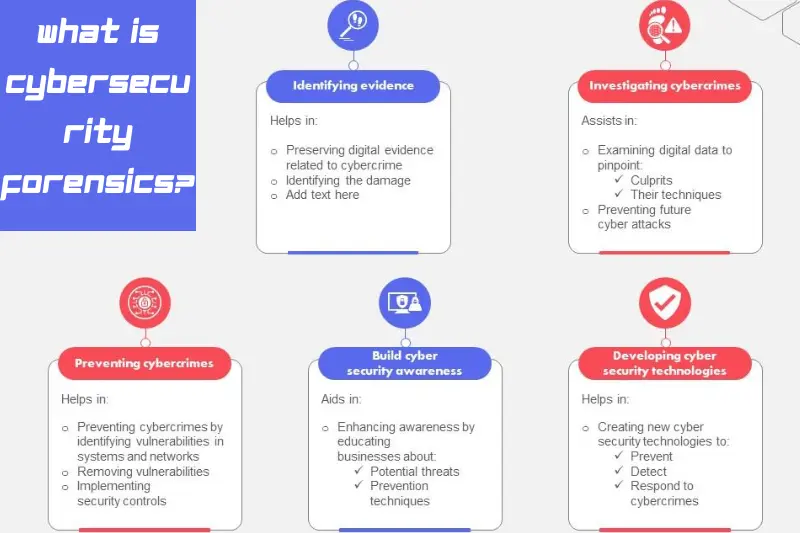
Cybersecurity forensics is a specialized branch of digital forensics focused on investigating cyber incidents and security breaches. It involves the systematic collection, preservation, and analysis of digital evidence to uncover the origin, method, and impact of cyber attacks. Unlike general cybersecurity practices that aim to prevent attacks, cybersecurity forensics is reactive, providing the tools and techniques to understand what went wrong after a security incident occurs.
Key aspects of cybersecurity forensics include:
- Evidence Collection: Capturing logs, network traffic, and system files in a legally admissible manner.
- Forensic Analysis: Using software and methodologies to reconstruct attack paths and identify vulnerabilities.
- Reporting & Documentation: Generating detailed reports for internal use, law enforcement, or legal proceedings.
This discipline plays a critical role in cybercrime investigations, helping organizations track down malicious actors, understand the scale of breaches, and implement measures to prevent future attacks. With the rise of sophisticated cyber threats, mastering cybersecurity forensics is now essential for any business serious about protecting its digital assets.
Related keywords included: digital forensics, cybercrime investigation, forensic analysis, cyber incident investigation.
May be you like it:
Tech Pouch – The Ultimate Guide to Organizing and Protecting Your Gadgets
Tech 10s – Top Gadgets Apps and Emerging Tech Teens Must Know in 2025
Tech People – Roles Skills Careers And Future Trends in Technology
Tech Layoffs 2025 – Causes Trends and How to Navigate IT Job Cuts
Tech EU – Europe’s Leading Hub for Innovation AI FinTech And Green Technology
The Importance of Cybersecurity Forensics
In an era where cyber attacks are increasingly complex and damaging, cybersecurity forensics has become indispensable for organizations of all sizes. Its primary purpose is not only to uncover how a breach occurred but also to prevent future incidents and protect valuable digital assets.
Key reasons why cybersecurity forensics is crucial:
- Detecting and Understanding Cybercrime: Cybersecurity forensics helps in investigating cybercrime incidents, from phishing attacks to ransomware, providing insights into attack methods and perpetrators.
- Data Breach Analysis: Following a breach, forensic investigations identify compromised systems and sensitive data, enabling companies to respond quickly and minimize damage.
- Legal and Regulatory Compliance: Proper forensic procedures ensure that digital evidence is preserved according to legal standards, which is essential in court cases and regulatory audits.
- Strengthening Security Measures: By analyzing past attacks, organizations can enhance their security infrastructure and develop proactive strategies to prevent future breaches.
In today’s digital landscape, where data is one of the most valuable assets, ignoring cybersecurity forensics can leave organizations vulnerable to both financial and reputational loss. Integrating forensic capabilities into cybersecurity strategies is no longer optional—it is a necessity.
Related keywords included: cybercrime investigation, data breach analysis, incident response, forensic investigation in cybersecurity.
May be you like it:
AI 2016 Flight Status – Real Time Updates And Air India Tracking
AI 2015 Flight Status – Live Updates Departure And Arrival Times
AI Jobs London – Top Careers Salaries And Opportunities in AI
AI Jobs Remote – Find the Best Work-From-Home AI Careers in 2025
AI Quotes – Inspiring Funny And Famous Artificial Intelligence Quotes
Key Techniques and Tools in Cybersecurity Forensics
Effective cybersecurity forensics relies on a combination of specialized techniques and powerful tools to uncover the details of cyber attacks. These methods allow investigators to analyze digital evidence, reconstruct incidents, and strengthen security measures for the future.
Core Techniques in Cybersecurity Forensics
- Log Analysis: Examining system and network logs to trace unauthorized access, detect anomalies, and identify the sequence of events during a cyber attack.
- Memory Forensics: Analyzing volatile memory (RAM) to uncover malware activity, running processes, and other hidden traces of malicious behavior.
- Network Forensics: Monitoring network traffic to detect suspicious activity, identify intrusion points, and map out the attack path.
- Malware Analysis: Studying malicious software to understand its functionality, origin, and potential impact on systems.
Popular Tools in Cybersecurity Forensics
- EnCase: Industry-standard software for data acquisition, analysis, and reporting in forensic investigations.
- FTK (Forensic Toolkit): Provides comprehensive evidence analysis, file indexing, and visualization capabilities.
- Wireshark: A network protocol analyzer widely used for capturing and inspecting network traffic.
- Autopsy: Open-source digital forensics platform that assists in investigating file systems and recovering deleted data.
By combining these techniques and tools, cybersecurity professionals can conduct thorough investigations, uncover hidden threats, and strengthen organizational defenses against future attacks.
Common Cybersecurity Forensics Cases
Cybersecurity forensics is applied across a wide range of cyber incidents to investigate, analyze, and mitigate threats. Understanding these common cases helps organizations prepare for potential attacks and respond effectively.
Ransomware Attacks
Ransomware encrypts critical files, holding them hostage until a ransom is paid. Forensic investigators analyze attack vectors, malware behavior, and affected systems to recover data and prevent future breaches.
Phishing Scams
Phishing attacks deceive users into revealing sensitive information. Cybersecurity forensics tracks email headers, IP addresses, and communication patterns to identify perpetrators and close vulnerabilities.
Insider Threats
Employees or contractors with malicious intent can compromise sensitive data. Forensic investigations monitor access logs, system activity, and data transfers to uncover insider attacks.
Data Breaches
A data breach occurs when unauthorized actors access confidential information. Forensic teams analyze compromised systems, determine the scale of the breach, and provide actionable recommendations for recovery.
Malware Incidents
Malware can damage systems, steal data, or enable further cyber attacks. Through malware analysis and network forensics, investigators trace infections, isolate threats, and strengthen defenses.
By studying these cases, organizations can implement proactive measures and improve their cybercrime investigation capabilities, reducing risks and enhancing overall cybersecurity posture.
May be you like it:
Cybersecurity Dissertation Topics – Latest Ideas And Research Areas for 2025
Cybersecurity Forensics – Complete Guide to Digital Investigation And Cybercrime Analysis
Cybersecurity Quotes – Top Inspirational, Expert And Funny Quotes About Cyber Safety
Cybersecurity Salary London 2025 – Cyber Security Jobs And Pay Insights
Cybersecurity Memes – Funny IT Humor And Hilarious Security Jokes
Steps in Conducting Cybersecurity Forensics
Conducting a successful cybersecurity forensics investigation requires a structured approach to ensure evidence is collected, analyzed, and preserved correctly. The following steps are essential for any forensic investigation:
Incident Identification
The first step is recognizing that a cyber incident has occurred. This could involve detecting unusual network activity, unauthorized access, or alerts from security monitoring systems. Early detection is critical to limit damage and preserve evidence.
Evidence Collection
Once an incident is identified, forensic investigators gather all relevant data from computers, servers, networks, and cloud systems. This includes system logs, memory dumps, emails, and other digital artifacts. Proper evidence preservation ensures the data remains legally admissible.
Forensic Analysis
Investigators analyze the collected data to reconstruct the timeline of the attack, identify the methods used, and determine who is responsible. Techniques such as memory forensics, malware analysis, and network forensics are commonly employed in this stage.
Reporting and Documentation
Clear documentation of findings is essential for internal stakeholders, law enforcement, or legal proceedings. Reports should detail the incident, evidence, analysis, and recommendations for remediation.
Remediation and Prevention
The final step involves applying lessons learned from the investigation to strengthen security measures, patch vulnerabilities, and prevent similar incidents in the future. This proactive approach is critical to maintaining organizational cybersecurity resilience.
Challenges in Cybersecurity Forensics
While cybersecurity forensics is vital for investigating and preventing cyber attacks, it comes with several challenges that can complicate investigations. Understanding these obstacles helps organizations prepare and implement effective strategies.
Encrypted Data and Advanced Malware
Many modern attacks involve encryption or sophisticated malware that hides traces of malicious activity. Investigators must use advanced tools and techniques to uncover hidden evidence without altering it.
Cloud and Distributed Environments
As more organizations move to cloud-based infrastructure, forensic investigators face challenges in collecting data spread across multiple servers and jurisdictions. Accessing and preserving cloud data can be technically complex and legally sensitive.
Legal and Regulatory Constraints
Cybersecurity forensics must comply with laws and regulations such as GDPR, HIPAA, and local cybercrime statutes. Investigators need to ensure evidence is collected and stored in a legally admissible manner.
Volume and Variety of Data
The sheer amount of digital data generated daily can overwhelm forensic teams. Sorting, analyzing, and prioritizing relevant evidence requires sophisticated tools and trained personnel.
Maintaining Chain of Custody
For digital evidence to be admissible in court, it must be carefully handled to maintain the chain of custody. Any mishandling can compromise the investigation or legal proceedings.
Despite these challenges, mastering cybersecurity forensics ensures organizations can respond effectively to cyber threats, protect sensitive data, and comply with legal obligations.
Future Trends in Cybersecurity Forensics
As cyber threats continue to evolve, so too does the field of cybersecurity forensics. Staying ahead of emerging trends is crucial for organizations looking to strengthen their digital defenses.
Artificial Intelligence and Machine Learning
AI and machine learning are increasingly being used to detect anomalies, automate forensic analysis, and predict potential cyber threats. These technologies can accelerate investigations and improve the accuracy of threat detection.
Cloud Forensics
With more data moving to cloud environments, cloud forensics is becoming essential. Investigators are developing specialized tools and techniques to collect, preserve, and analyze cloud-based evidence effectively.
Internet of Things (IoT) Security
IoT devices are expanding the attack surface for cybercriminals. Future forensic investigations will need to focus on IoT security, analyzing data from connected devices while addressing privacy and security challenges.
Integration with Cybersecurity Operations
Forensics is increasingly being integrated into incident response and broader cybersecurity operations. Real-time forensic capabilities allow organizations to respond to threats faster and reduce the impact of cyber attacks.
Legal and Regulatory Evolution
As digital investigations grow in complexity, new regulations will shape how evidence is collected, stored, and used. Staying compliant with emerging cyber laws and privacy standards will be a key focus for forensic professionals.
By embracing these trends, organizations can ensure their cybercrime investigation capabilities remain effective, proactive, and aligned with the rapidly changing digital landscape.
Conclusion
Cybersecurity forensics is an essential discipline in today’s digital world, enabling organizations to investigate cyber incidents, recover from data breaches, and strengthen overall security. By leveraging advanced digital forensic techniques, organizations can uncover the origins of attacks, conduct thorough cybercrime investigations, and implement strategies to prevent future threats.
As cyber threats continue to evolve, integrating forensic capabilities into cybersecurity strategies is no longer optional—it is a necessity. Investing in the right tools, training personnel, and staying updated with emerging trends like AI forensics and cloud forensics ensures organizations remain resilient against increasingly sophisticated attacks.
Organizations that prioritize cybersecurity forensics not only protect sensitive data but also safeguard their reputation, maintain legal compliance, and reinforce trust with clients and stakeholders. In short, mastering cybersecurity forensics is a critical step toward a safer, more secure digital future.
May be you like it:
Gadget Show Host – Complete Guide to The Gadget Show Presenters
Gadget Synonym – Best Alternatives Examples And Usage Guide
Gadget Dagenham – Top Tech Stores Latest Gadgets And Local Deals
Gadget Show Cast – Meet The Famous Gadget Show Presenters And Hosts
