


Introduction:
Europe has rapidly emerged as a powerhouse in the global technology landscape, with innovation hubs spanning from Berlin to Stockholm and Paris to Amsterdam. The term “Tech EU” captures this dynamic ecosystem, highlighting Europe’s growing influence in fields like artificial intelligence, fintech, and green technologies. In 2025 alone, European tech startups attracted over €50 billion in venture capital funding, signaling the continent’s expanding role in shaping the future of global technology. As governments, investors, and entrepreneurs continue to push boundaries, Tech EU is becoming a key player on the world stage, driving innovation that resonates far beyond its borders.
The Rise of Tech in Europe
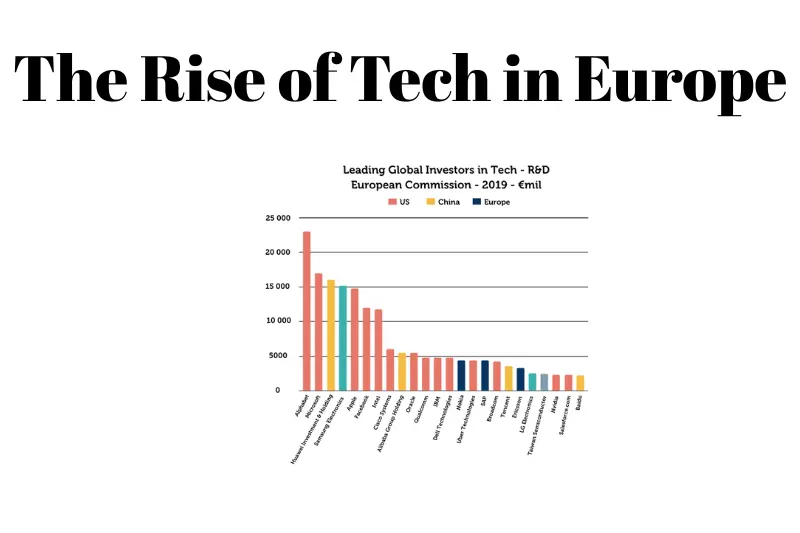
Europe’s technology sector has experienced unprecedented growth over the past decade. From innovative startups to established tech giants, the region is becoming a global hub for digital transformation. Countries like Germany, France, and the Netherlands are leading the way with investment-friendly ecosystems, advanced infrastructure, and access to top talent. The rise of Tech EU reflects Europe’s commitment to fostering innovation, bridging the gap between research and commercialization, and competing on the world stage alongside the US and Asia.
Leading Countries in Tech EU
- Germany: Renowned for engineering and industrial technology. Berlin is a hotspot for startups in AI, software, and mobility.
- France: Paris and Lyon have strong fintech and AI ecosystems. Government-backed initiatives support research and innovation.
- Nordic Countries: Sweden, Finland, and Denmark excel in sustainability-focused tech and digital solutions.
May be you like it:
Tech Pouch – The Ultimate Guide to Organizing and Protecting Your Gadgets
Tech 10s – Top Gadgets Apps and Emerging Tech Teens Must Know in 2025
Tech People – Roles Skills Careers And Future Trends in Technology
Tech Layoffs 2025 – Causes Trends and How to Navigate IT Job Cuts
Tech EU – Europe’s Leading Hub for Innovation AI FinTech And Green Technology
Key Sectors Driving Tech EU
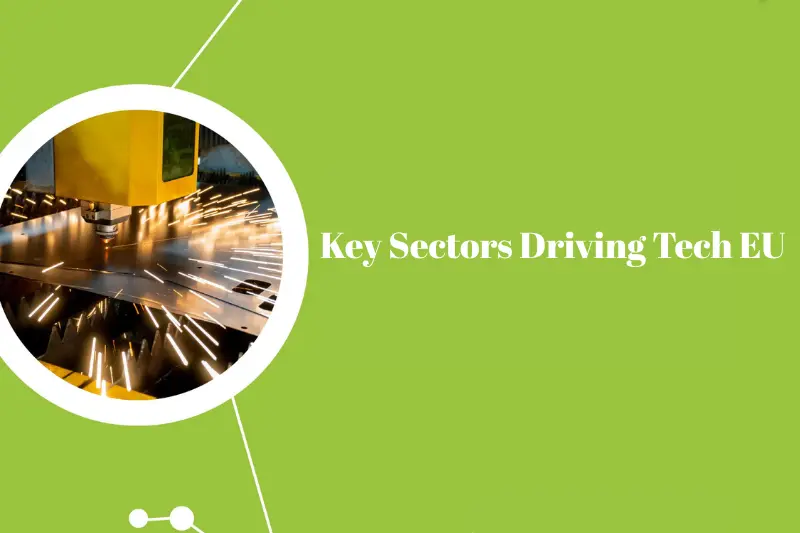
Europe’s technology landscape is diverse and rapidly evolving, with several sectors emerging as major drivers of growth. The rise of Tech EU is fueled by innovation across artificial intelligence, fintech, and sustainable technologies, making Europe a hotspot for global investment and technological advancement.
Artificial Intelligence (AI) and Machine Learning
AI is at the forefront of Europe’s tech revolution. From healthcare to autonomous vehicles, European startups and research institutions are developing solutions that leverage AI to solve real-world problems. Countries like Germany, France, and the Netherlands are investing heavily in AI talent and infrastructure, ensuring Tech EU remains competitive on a global scale.
FinTech and Digital Banking
Europe is reshaping the financial sector through fintech innovations. Digital banking, blockchain solutions, and contactless payment systems are transforming how consumers and businesses manage money. Cities such as London, Berlin, and Paris are home to leading fintech startups, positioning Tech EU as a hub for secure and innovative financial technologies.
Green Technology and Sustainability
Sustainability is a core focus of European innovation. Green technology initiatives, including renewable energy, electric mobility, and energy-efficient solutions, are attracting investment and attention worldwide. Programs like the European Green Deal provide funding and incentives, making sustainable tech a cornerstone of Tech EU’s growth strategy.
HealthTech and Biotech
Europe is also making strides in health technology and biotechnology. From precision medicine to telehealth and medical devices, these innovations are improving healthcare outcomes and creating opportunities for startups across the continent.
Cybersecurity and Data Privacy
As digitalization accelerates, cybersecurity and data privacy remain critical. European companies are developing advanced security solutions to protect consumers and businesses, supporting the broader goals of Tech EU while complying with regulations like GDPR.
May be you like it:
AI 2016 Flight Status – Real Time Updates And Air India Tracking
AI 2015 Flight Status – Live Updates Departure And Arrival Times
AI Jobs London – Top Careers Salaries And Opportunities in AI
AI Jobs Remote – Find the Best Work-From-Home AI Careers in 2025
AI Quotes – Inspiring Funny And Famous Artificial Intelligence Quotes
European Policies and Regulations Impacting Tech
Regulations and policies play a crucial role in shaping the growth of Tech EU, ensuring that innovation aligns with ethical, legal, and social standards. European governments and institutions are working to create frameworks that both encourage technological advancement and protect citizens.
Data Privacy and GDPR
The General Data Protection Regulation (GDPR) is one of Europe’s most influential tech policies. It sets strict rules for data collection, storage, and processing, ensuring consumer privacy while promoting trust in digital services. Compliance with GDPR has become a standard for businesses operating within Tech EU.
AI and Digital Regulations
Europe is pioneering AI regulations to guide the ethical and responsible use of artificial intelligence. These policies aim to prevent misuse of AI while fostering innovation in fields like healthcare, transportation, and finance, strengthening Tech EU’s global reputation.
Funding and Grants
The European Union provides significant funding and grant programs to support tech startups, research projects, and cross-border collaborations. Initiatives such as Horizon Europe and the European Innovation Council help accelerate the development of cutting-edge technologies across the continent.
Competition and Market Oversight
Policies also address market competition and ensure fair practices in digital markets. By regulating monopolies and promoting a level playing field, Europe encourages startups and SMEs to thrive, reinforcing the growth of Tech EU.
Challenges Facing Tech EU
Despite its rapid growth, Tech EU faces several challenges that could impact its long-term development and global competitiveness. Understanding these hurdles is essential for policymakers, investors, and startups navigating the European tech landscape.
Talent Shortages
One of the biggest challenges for Tech EU is the shortage of skilled professionals. As demand for expertise in AI, software development, cybersecurity, and data science grows, European companies often compete for limited talent, slowing down innovation and expansion.
Global Competition
Europe faces stiff competition from the United States and Asia, where startups scale faster and receive larger funding. Tech EU must continue to strengthen its ecosystems and investment strategies to remain competitive on a global level.
Regulatory Complexity
While European regulations like GDPR and AI policies provide ethical guidance, they can sometimes create complexity for startups and businesses. Navigating these rules requires resources and legal support, which can slow down product development and market entry.
Access to Funding
Although Europe has strong funding programs, some startups still struggle to access capital compared to more mature markets abroad. Ensuring that funding reaches innovative small and medium enterprises is crucial for sustaining Tech EU growth.
Infrastructure Challenges
In certain regions, digital infrastructure, including high-speed internet and data centers, may not be as developed, limiting the scalability of tech projects. Tech EU must continue to invest in infrastructure to support innovation across all countries.
May be you like it:
Cybersecurity Dissertation Topics – Latest Ideas And Research Areas for 2025
Cybersecurity Forensics – Complete Guide to Digital Investigation And Cybercrime Analysis
Cybersecurity Quotes – Top Inspirational, Expert And Funny Quotes About Cyber Safety
Cybersecurity Salary London 2025 – Cyber Security Jobs And Pay Insights
Cybersecurity Memes – Funny IT Humor And Hilarious Security Jokes
Future Trends in European Technology
The future of Tech EU looks promising, with emerging trends set to shape Europe’s technology landscape over the next decade. These innovations will influence industries, investments, and global competitiveness, making Europe a key player in the world of technology.
Artificial Intelligence and Automation
AI and automation are expected to continue driving innovation across industries. From smart manufacturing to autonomous transportation, Tech EU is investing heavily in AI research and practical applications to improve efficiency and productivity.
Green Technology and Sustainability
Sustainability will remain a central focus for European technology. Renewable energy solutions, electric mobility, and eco-friendly innovations are projected to grow, reinforcing Europe’s position as a leader in green tech and solidifying the role of Tech EU in sustainable development.
Digital Health and Biotech
HealthTech and biotechnology will expand rapidly, with advancements in precision medicine, telehealth, and medical devices. Tech EU will play a major role in shaping healthcare innovation, improving patient outcomes, and creating new business opportunities.
Cybersecurity and Data Protection
As digitalization continues, the demand for robust cybersecurity solutions will increase. Tech EU will focus on developing advanced security technologies and frameworks to protect data, businesses, and consumers, ensuring a safe digital environment.
Cross-Border Collaboration and Investment
European countries are increasingly collaborating on tech initiatives, research, and innovation projects. Cross-border partnerships, coupled with strategic investments, will accelerate growth and strengthen the influence of Tech EU on the global stage.
Conclusion
Tech EU represents more than just a collection of startups and innovations—it reflects Europe’s commitment to shaping the future of technology on a global scale. From artificial intelligence and fintech to green technology and biotech, European countries are driving innovation while navigating complex regulations and global competition.
As Tech EU continues to grow, the region offers immense opportunities for investors, entrepreneurs, and professionals seeking to be part of cutting-edge developments. By focusing on sustainability, collaboration, and ethical innovation, Europe is positioning itself as a major player in the global tech ecosystem. Staying informed about Tech EU trends and emerging sectors will be essential for anyone looking to engage with Europe’s dynamic technology landscape.
May be you like it:
Gadget Show Host – Complete Guide to The Gadget Show Presenters
Gadget Synonym – Best Alternatives Examples And Usage Guide
Gadget Dagenham – Top Tech Stores Latest Gadgets And Local Deals
Gadget Show Cast – Meet The Famous Gadget Show Presenters And Hosts
